Food & Beverage Flavour Trends in the UAE & GCC 2026
Understanding which flavours consumers are seeking helps food and beverage brands make better NPD decisions. This guide covers the flavour trends most relevant to UAE and GCC manufacturers and product developers in 2026, with references to market data, social media signals, and regional consumer behaviour. Updated August 2026.
PISTACHIO AND BAKLAVA
Why is pistachio such a dominant flavour trend in 2026?
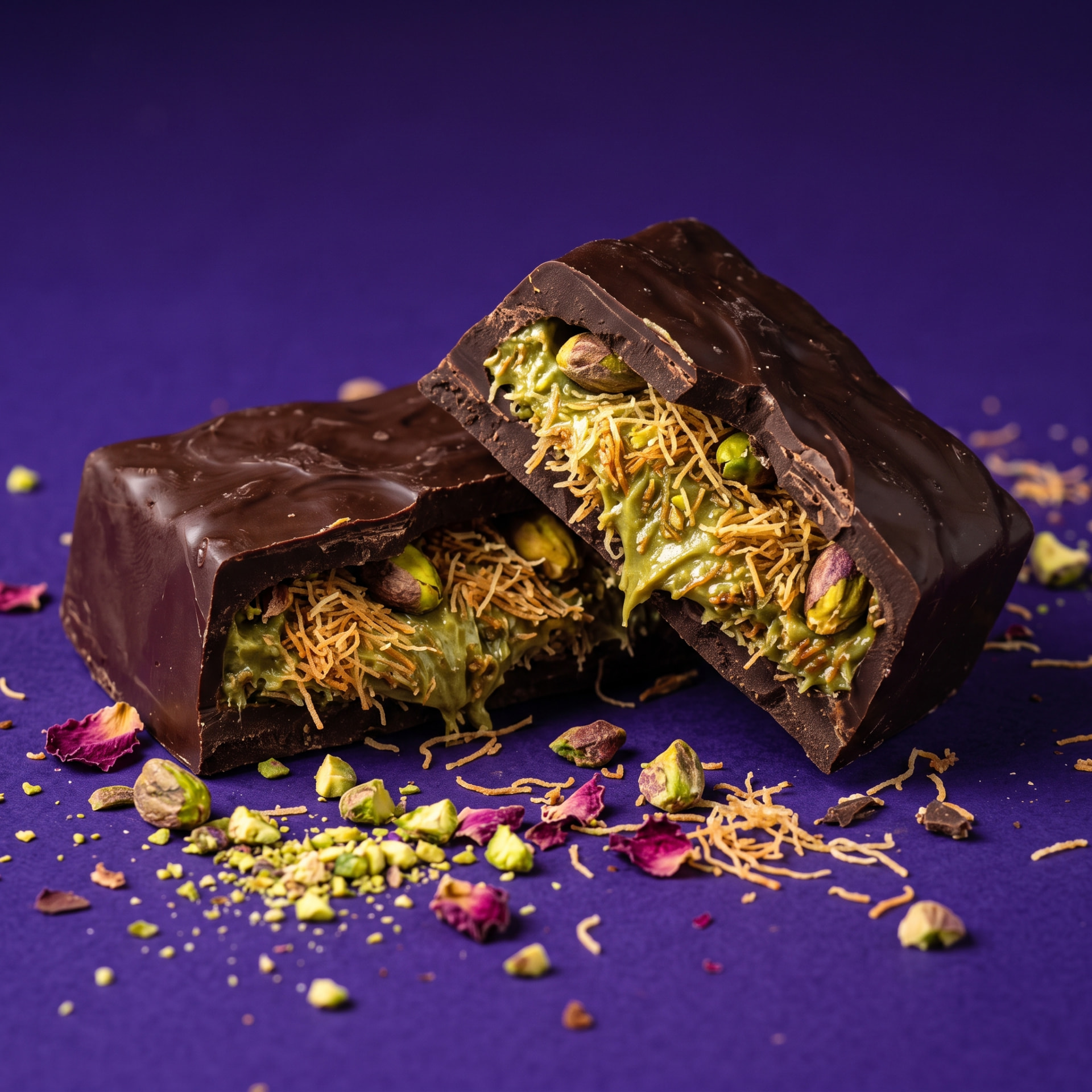
Pistachio has become one of the most commercially significant flavour trends globally, and the UAE is at the epicentre of it. The Dubai Chocolate phenomenon, the viral pistachio and kataifi-filled chocolate bar originally created by Fix Dessert Chocolatier in Dubai, has driven sustained global demand for pistachio-flavoured food and beverage products since its TikTok breakthrough. According to Tastewise, pistachio matcha specifically is up 99% year-on-year globally in 2026. For UAE and GCC food and beverage manufacturers, pistachio represents an opportunity across dairy, beverages, confectionery, and bakery. The baklava flavour profile, combining pistachio, honey, rosewater, and toasted pastry notes, has extended the trend into ice cream, dairy desserts, and specialty beverages. According to a 2026 retail buyer analysis by Vovan Global, pistachio baklava remains a consistently high-demand product category with growing demand for new variants and formats. The core flavour profile combines pistachio, chocolate, toasted kataifi pastry notes, and tahini. Extended variants incorporate honey, rose, cardamom, and cinnamon.
BOTANICALS AND FLORALS
Which botanical flavours are trending in the UAE and GCC in 2026?
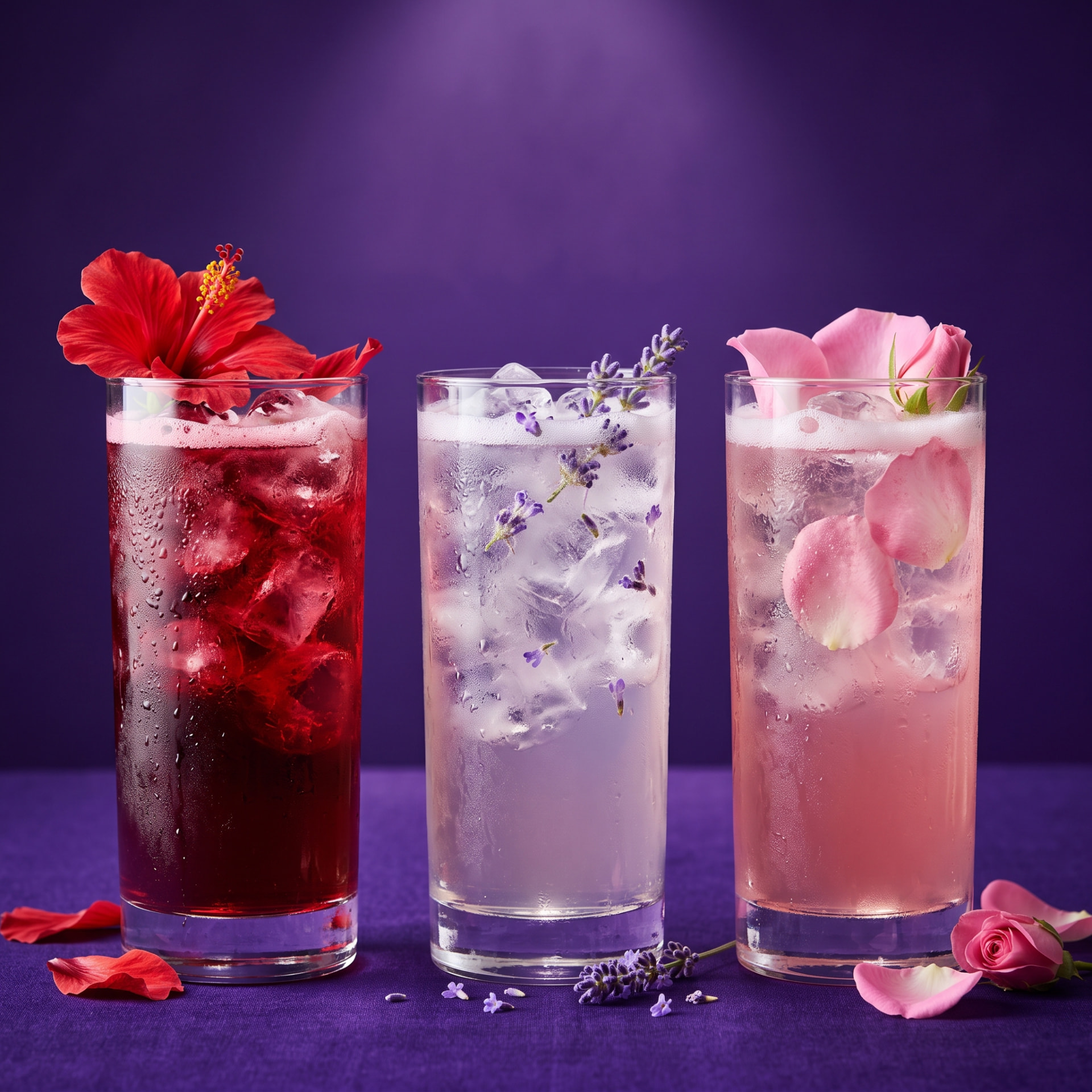
Floral and botanical flavours have moved into mainstream food and beverage innovation. According to Restobiz, Gen Z consumers actively want more floral-infused foods and drinks, with hibiscus, lavender, elderflower, rosemary, and rose appearing across beverage categories from soft drinks to frozen desserts. For the UAE and GCC market, several botanical flavours have strong cultural resonance. Rose and rosewater have a long heritage in Middle Eastern confectionery and beverages. Hibiscus, used in the traditional Karkadé drink consumed across the Arab world, has seen significant growth as a standalone and blended beverage flavour. Lemongrass has gained traction in functional beverage development. The Middle East ready-to-drink tea market is estimated at USD 227.43 million in 2026, growing at 8.9% CAGR through 2031 according to Mordor Intelligence, with botanical-infused RTD teas identified as a key growth driver. Startups such as Nai Arabia are actively developing hibiscus pomegranate rose and Moroccan mint iced teas in this space.
MATCHA AND TEA-DERIVED FLAVOURS
Is matcha a relevant trend for UAE and GCC product development?
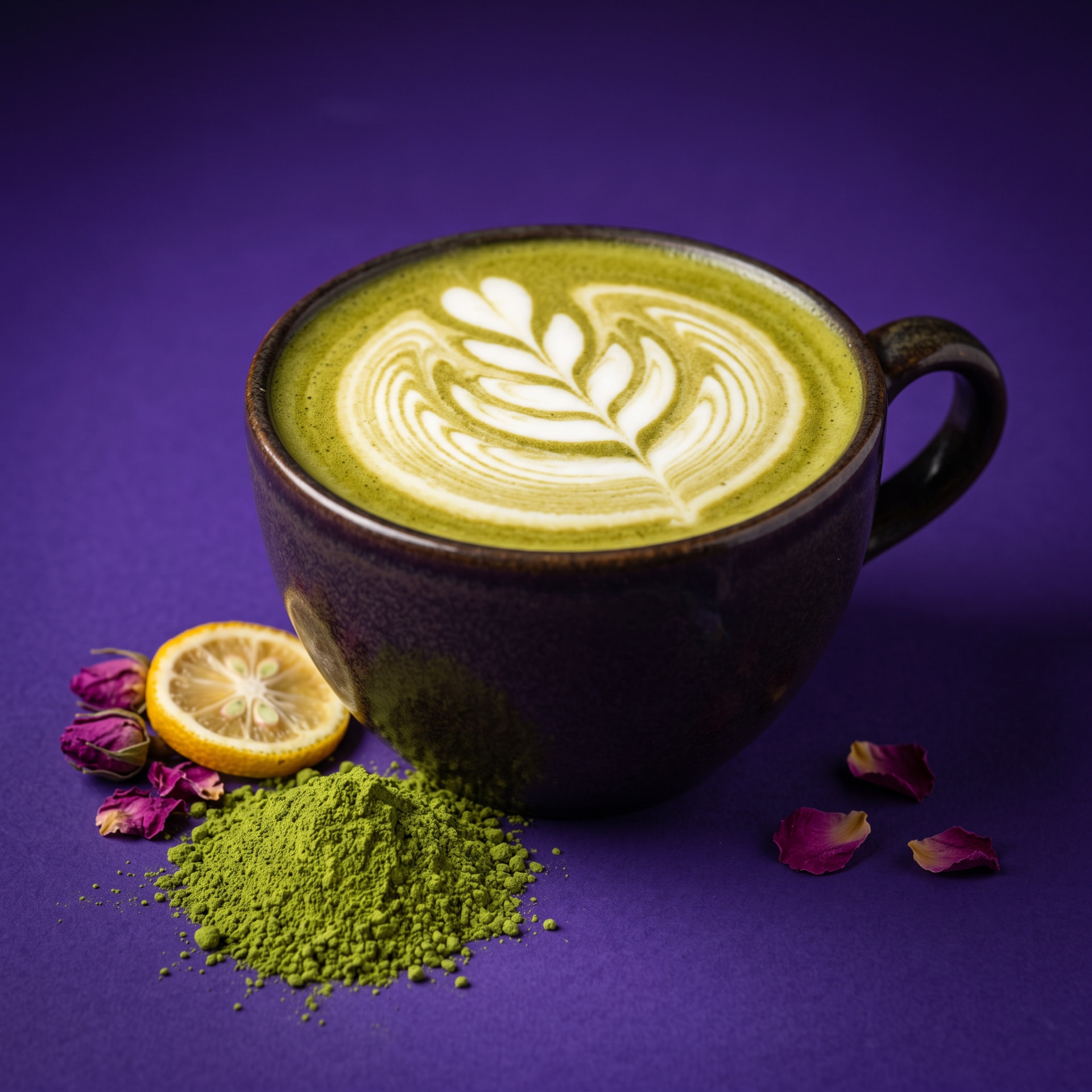
Matcha has reached mainstream consumer awareness that makes it commercially viable across multiple product categories in the UAE. According to Tastewise, matcha as a food and beverage ingredient is up 87% globally in 2026, with strawberry matcha up 134% and yuzu matcha up 94% year-on-year. For UAE product developers, matcha is most relevant in the beverage and dairy categories. Ready-to-drink matcha beverages, matcha dairy desserts, and matcha-flavoured confectionery are all seeing active development across the region. Hojicha, a roasted Japanese green tea with a nutty, caramelised profile, is identified by several industry sources as the next tea-derived flavour to follow matcha into mainstream beverage menus in 2026.
SWICY AND LAYERED PROFILES
What does the swicy trend mean for food and beverage manufacturers?
Swicy — the combination of sweet and spicy — has become a defining flavour direction in global food and beverage innovation in 2026. According to Food Dive, the trend is evolving toward more complex combinations including swangy (spicy, sweet and tangy) and swavory (spicy, sweet and savoury). In the UAE and GCC context, the swicy trend has strong cultural alignment. Hot honey — combining sweetness and heat — has become a fixture at UAE gatherings and in local food retail according to American Harvest Foods. The combination of sweet fruit flavours with chilli or black pepper notes is driving new product development in the snack, beverage, and condiment categories. For product developers, swicy profiles are relevant across beverages, confectionery, and snack applications, creating demand for complementary combinations such as citrus with chilli, mango with pepper, and tamarind with chilli.
FUNCTIONAL AND CLEAN LABEL
How is the functional food trend affecting flavour choices in the GCC?
The GCC functional food and beverage market was valued at USD 20.18 billion in 2026 and is projected to reach USD 56.80 billion by 2036, growing at a 10.9% CAGR according to Future Market Insights. Government-led public health campaigns including the UAE National Food Security Strategy are creating structural support for functional food adoption. The functional trend drives demand for profiles associated with wellness, including botanical extracts, ginger, turmeric, and natural fruit profiles paired with functional ingredients. According to Mordor Intelligence, UAE consumers are moving toward clean-label, minimally processed beverages with strong resonance for natural fruit profiles, particularly tropical combinations such as pineapple, mango, and orange.
REGIONAL AND HERITAGE FLAVOURS
Are traditional Middle Eastern flavours trending in product development?
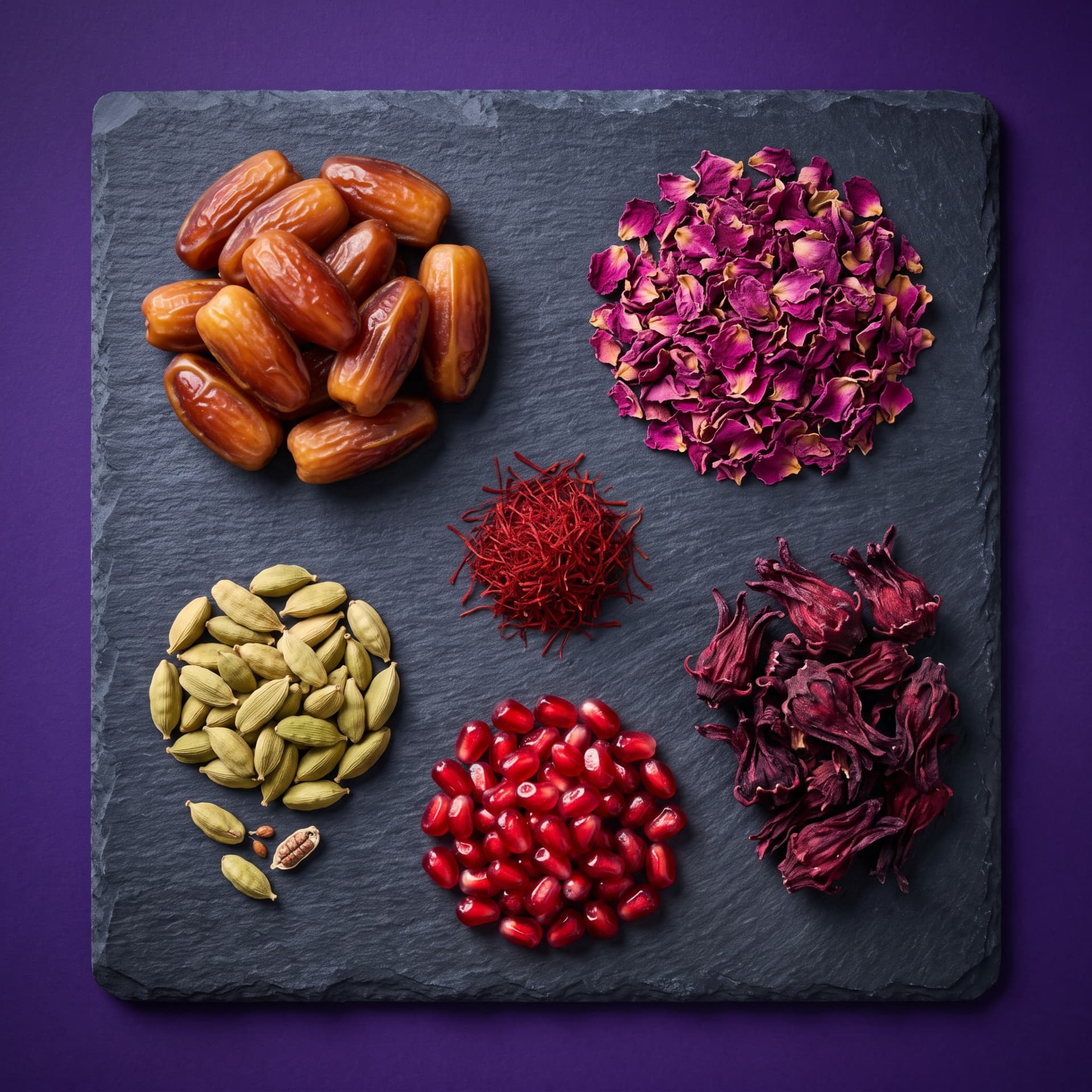
There is a growing consumer appetite for flavours rooted in regional food culture, including dates, pomegranate, saffron, cardamom, rosewater, tamarind, and hibiscus, applied in contemporary food and beverage formats. The UAE National Food Security Strategy and the broader push toward regional food identity are creating commercial momentum for products that celebrate local and heritage flavours. Date-flavoured dairy products, pomegranate beverages, and cardamom-infused confectionery are active development areas for UAE brands in 2026. The multicultural nature of the UAE population also drives demand for globally-inspired flavours. Korean, Japanese, South Asian, and Latin American profiles are being adopted by UAE brands targeting specific consumer communities.
WHAT THIS MEANS FOR DEVELOPERS
Which flavour trends are most commercially relevant for UAE product development in 2026?
The flavour trends most commercially relevant for UAE and GCC product development in 2026 are pistachio and baklava profiles across confectionery, dairy, and ice cream; botanical and floral profiles including hibiscus, elderflower, and rose in beverages and dairy; matcha and tea-derived profiles in RTD beverages and dairy; layered sweet-spicy profiles in snacks and beverages; and traditional regional flavours including date, pomegranate, and cardamom in contemporary formats. All of these profiles are available in food-grade concentrate format for product development and manufacturing use.
RELATED GUIDES
- How to Source Food Flavours in Small Quantities in the UAE
- Water-Soluble vs Oil-Soluble Flavours
- Liquid vs Powder Flavours
- How to Read a Flavour Technical Data Sheet
- Flavour Dosage Rates for Food and Beverage Products
- GLP-1 & Food Flavour: What GCC Food & Beverage Brands Need to Know
- How to Flavour Coffee Beans & Coffee Products in the UAE
- EU Natural vs Nature Identical Flavours: A Guide for UAE Food & Beverage Manufacturers
- Flavouring High-Protein Food & Beverage Products in the UAE
- Flavouring Turkish Delight Lokum in the UAE
- Custom Flavour Development for Beverages in the UAE: How It Works
- Why You Should Be Ready for Ramadan 2027 Right Now
- UAE Sugar, Sodium & Fat Regulations: A Formulation Guide for Food & Beverage Manufacturers
Register your licensed UAE or GCC business to access 95+ food and beverage grade flavours including botanical, fruit, confectionery, and heritage profiles from 1kg.
Register & Order Now